Aging parents | Retirefine
Mobility & Accessibility Solutions to Safely Age at Home
A home that worked well for decades may need a few changes when balance, strength, or mobility changes. Begin with the places where daily movement feels difficult, then match the solution to the person and the house.
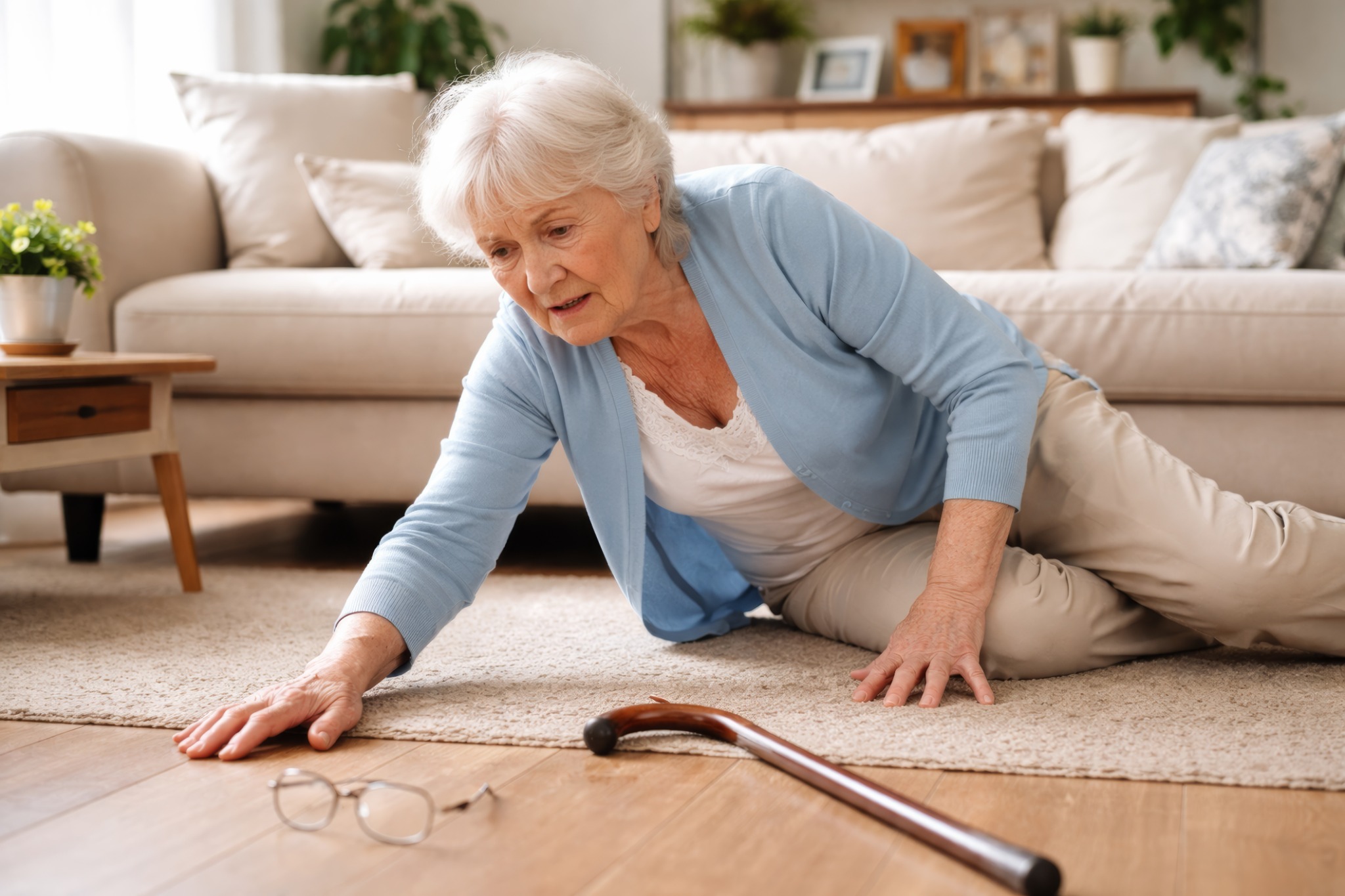
Walk the route, not just the room
Follow an ordinary day from bed to bathroom, kitchen, front door, and favorite chair. Look for loose rugs, dim corners, cords, narrow paths, awkward thresholds, and places where someone reaches for furniture to steady themselves. Ask which tasks feel uncertain; the answer may differ from what a family member notices. The National Institute on Aging’s room-by-room guide is a useful starting point.
Give the bathroom special attention
In a CDC analysis of 2008 emergency-department data, most nonfatal bathroom injuries among people age 15 and older involved falls, and injury rates rose with age. The report identified bathing, getting out of a tub or shower, and getting on or off a toilet as important trouble spots. It is older data and includes all ages, so it should guide a walk-through rather than predict one person’s risk.
Consider properly anchored grab bars at the shower and toilet, a nonslip bathing surface, and a bathing setup that reduces difficult steps. A shower chair or handheld showerhead may help with a particular routine. Placement and height matter: ask an occupational therapist or qualified installer to help choose and fit supports, especially after a fall or when assistance is needed. A towel bar is not a grab bar.
Make movement easier throughout the home
Clear walking paths, improve lighting at stairs and at night, secure or remove loose rugs, and repair uneven steps. At entrances, assess the handrails, threshold, and room for a walker or wheelchair. If stairs become a barrier, options range from reorganizing daily life on one level to a ramp, stair lift, or larger remodel. Measure the actual space and consider how a caregiver would assist before buying equipment.
Mobility aids should be fitted to the person and used with instruction. A clinician or physical or occupational therapist can assess gait, strength, transfers, and whether a cane, walker, or other device suits the situation. Medicare may cover medically necessary durable medical equipment ordered for use at home, subject to its rules; do not assume a renovation or every product is covered.
Plan for transfers and changing needs
Getting from a bed to a chair or from a chair to a toilet can be more challenging than walking across a room. Do not improvise a lift when someone needs physical help. Ask a rehabilitation professional to demonstrate a safe transfer method and suitable equipment for the person and caregiver. A small pilot study by Koyama and colleagues tested a lateral transfer assist robot in people with weakness after stroke and found transfers easier in that setting. It is promising research, not proof that a particular robot is available or appropriate for routine home use.
The Retirefine takeaway: Start with the simplest changes that make daily movement easier, then get individualized help for transfers and larger modifications. Revisit the home as needs change; accessibility is an ongoing fit between the person, the routine, and the space.