Healthy Aging | Retirefine · September 30, 2026
Coffee and Liver Health: What the Research Means for Healthy Aging
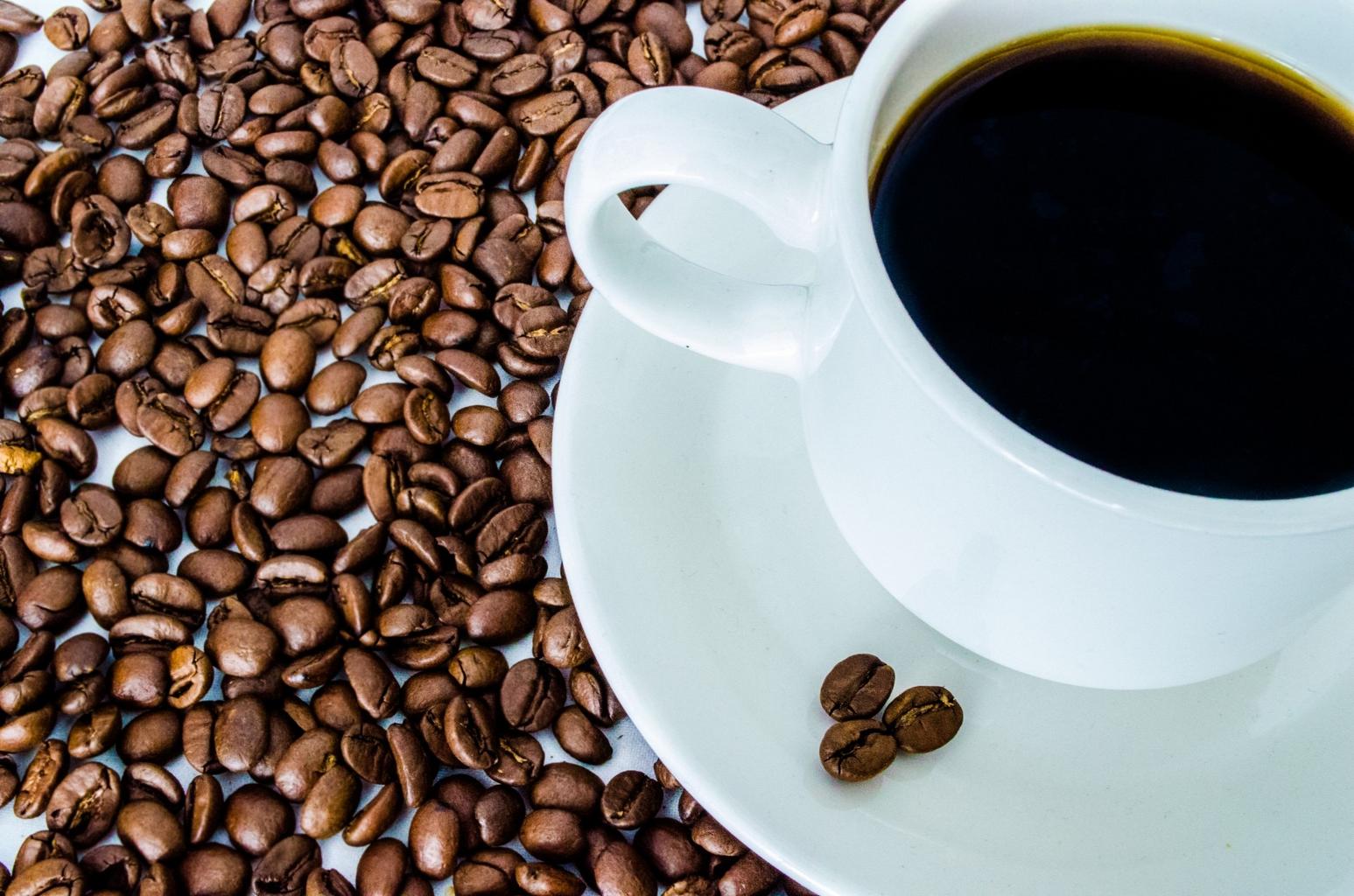
Your morning coffee may offer more than a familiar ritual. Research links regular coffee drinking with healthier liver outcomes—but the right routine depends on more than the number of cups.
Why liver specialists are talking about coffee
The 2025 American College of Gastroenterology guideline suggests coffee, preferably at least two cups daily, for people with chronic liver disease to help reduce the risk of fibrosis progression and hepatocellular carcinoma, the most common primary liver cancer. Fibrosis means a buildup of scar tissue in the liver.
The guideline discusses two to four cups as a potentially useful range, while acknowledging that the ideal amount remains uncertain. It is guidance for a specific patient population, rather than a prescription for every older adult.
What a large 2026 study found
Kim and colleagues studied 354,957 UK Biobank participants who did not have cirrhosis or liver cancer at the start. Over a median of 13 years, higher coffee intake was associated with better liver outcomes. In the group drinking at least five cups daily, compared with nondrinkers, the adjusted relative hazards were approximately:
- 32% lower for cirrhosis, an advanced form of liver scarring.
- 47% lower for hepatocellular carcinoma.
- 42% lower for liver-related death.
These are relative comparisons, not percentage-point reductions in an individual’s chance of illness. MRI findings in a smaller subgroup also linked higher intake with lower liver fat, iron, and a marker of inflammation and fibrosis. Similar associations appeared for caffeinated and decaffeinated coffee. Read the original study.
The study was observational. It cannot establish that coffee caused the differences or that five cups is the best personal target. Other habits, health differences, and changes in intake can influence the findings.
A second study adds a useful distinction
In a study published in 2022, Niezen and colleagues examined 4,510 U.S. adults using a liver scan called transient elastography. Drinking more than three cups daily was associated with lower liver stiffness, a marker that can help assess fibrosis. Coffee was not associated with lower liver fat on the study’s separate fat measurement.
Total caffeine intake did not show the same relationship with stiffness. That suggests researchers need to look beyond caffeine alone. It does not establish that decaf and regular coffee work identically, or that coffee can reverse existing scars. The study measured diet and liver health at one period in time, limiting conclusions about cause and effect. Read the study.
How to think about two to four cups
If you enjoy coffee, this range can be a starting point for a conversation with your clinician—especially if you have chronic liver disease. There is no need to chase the largest intake reported in a study.
- Check the serving size. A small cup and a large café drink are very different exposures. Study “cups” should not automatically be treated as large mugs.
- Count caffeine from every source. The FDA cites 400 mg daily as an amount generally not associated with negative effects for most adults, not a goal. A 12-ounce brewed coffee can contain roughly 113–247 mg, so even two strong servings can exceed that amount.
- Protect your sleep. Move coffee earlier or reduce caffeine if it disrupts sleep, causes jitters, palpitations, or stomach symptoms.
- Consider decaf. It offers much less caffeine, though not zero. It may suit a lower-caffeine routine, and the liver research includes encouraging decaf findings.
- Keep additions modest. Unsweetened coffee is a simple option; frequent sugary coffee drinks add a different nutritional consideration.
Medication use, health conditions, and individual sensitivity can change what you tolerate. Ask your clinician or pharmacist about a suitable caffeine limit. See the FDA’s caffeine guidance.
The Retirefine takeaway
Coffee is a promising part of the liver-health conversation. Its polyphenols and other compounds may contribute antioxidant and anti-inflammatory effects, but the mechanisms are still being studied. A cup of coffee should fit comfortably into your day alongside nutritious meals, movement, sleep, and appropriate medical care.
If you have liver disease or abnormal liver tests, coffee should be discussed as an addition to your care plan. It does not replace evaluation, prescribed treatment, or advice about alcohol. If you already enjoy it, the evidence gives you a useful question for your next appointment: “Would regular or decaf coffee fit my liver-health plan, and how much is appropriate for me?”
Read the research
- Singal and colleagues (2025). ACG Clinical Guideline: Malnutrition and Nutritional Recommendations in Liver Disease. American Journal of Gastroenterology, 120, 950–972.
- Kim and colleagues (2026). Coffee Consumption and Improved Liver Outcomes: Clinical, Imaging, and Proteomic Evidence From the UK Biobank. Clinical Gastroenterology and Hepatology. Published online July 1, 2026.
- Niezen, Mehta, Jiang, and Tapper (2022). Coffee Consumption Is Associated With Lower Liver Stiffness: A Nationally Representative Study. Clinical Gastroenterology and Hepatology, 20, 2032–2040.e6.
- U.S. Food and Drug Administration. Spilling the Beans: How Much Caffeine Is Too Much?